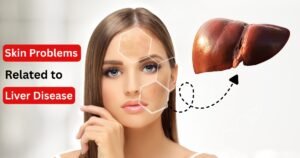
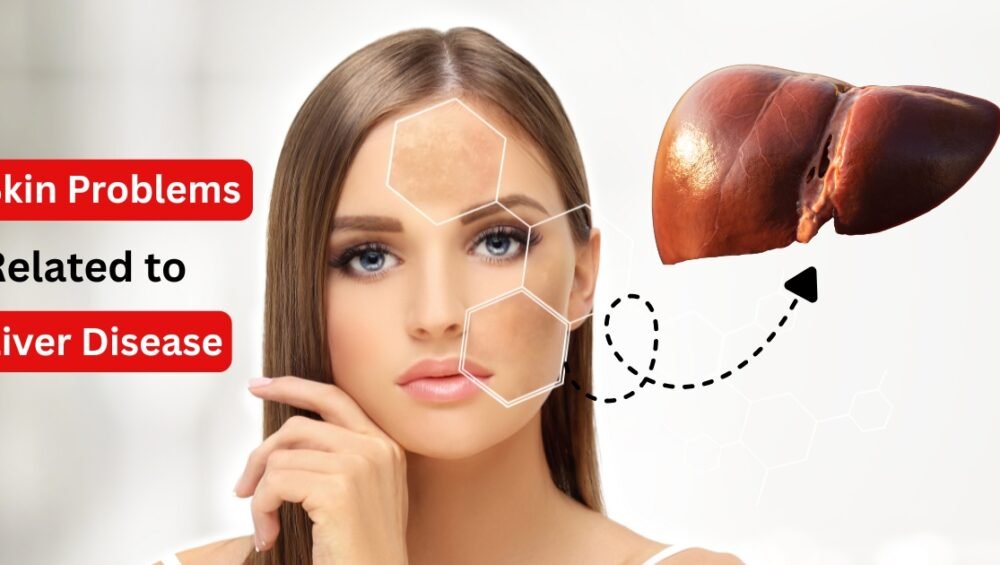
It is so easy to suspect stress or weather, or products when your skin is suddenly experiencing a strange change. Although it is easy to play the blame game on the skincare products or weather conditions, maybe there is something deeper that your skin is trying to communicate to you – something to do with your liver.
Your skin is a reflection of your inner organs, and the liver has a significant role to play in maintaining the cleanliness, health, and brightness of your skin. When the liver is overloaded, one of the first locations where the warning signs can be observed is the skin.
Why Your Skin Says You Have a Liver Problem
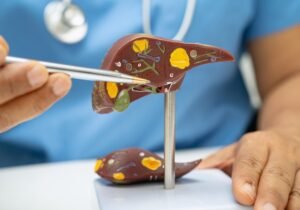
The liver cleanses toxins, digests fats, digests nutrients, and keeps the inside of your body clean. Once it stops functioning correctly, toxins start poisoning your bloodstream, and your skin comes in as the second detoxifying organ.
That is why liver problems frequently present themselves on the skin before you can even have any internal signs of the problem.
Frequent Skin Conditions due to Liver Disease
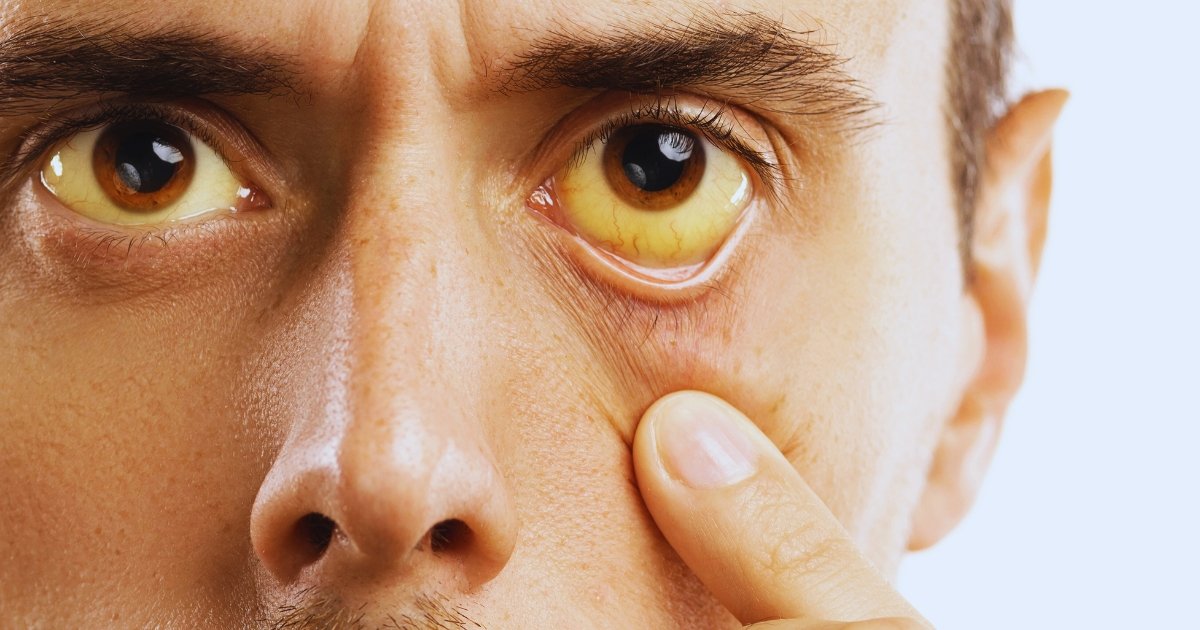
Jaundice
Why Does Skin Turn Yellow?
The liver is unable to handle bilirubin (a yellow pigment that is created out of red blood cells), and it accumulates in the blood. This excess pigment causes:
- Yellow skin
- Yellow eyes
- Yellowing of nails
This is one of the biggest indicators that you should not overlook.
Itchy Skin (Pruritus)
The mechanism behind how Liver Dysfunction leads to persistent itching. When bile salts build up in the bloodstream due to poor liver function, they settle beneath the skin, leading to severe itching.
This itching:
- It is usually worse at night.
- Denies any rash onset.
- May is more of the soles and palms.
There are many individuals scratching to the point of bruising or bleeding.
Red Patches and Skin Rashes
Liver issues cause rashes in many people without their knowledge. Retaining the toxins within the body irritates the skin and results in:
- Red patches
- Small bumps
- Dry rashes
- Inflammation
These rashes are not easily resolved by creams since the problem originated internally and not externally.
Dark Spots and Pigmentation of the Skin
The liver damage affecting the skin may frequently manifest as dark spots, particularly on:
- Face
- Neck
- Underarms
- Legs
This is due to the fact that a poor liver leads to hormonal imbalance and accumulation of toxins, which influence the melanin in the skin.
In case the pigments appear suddenly in the absence of the sun, pay attention to the well-being of your liver.
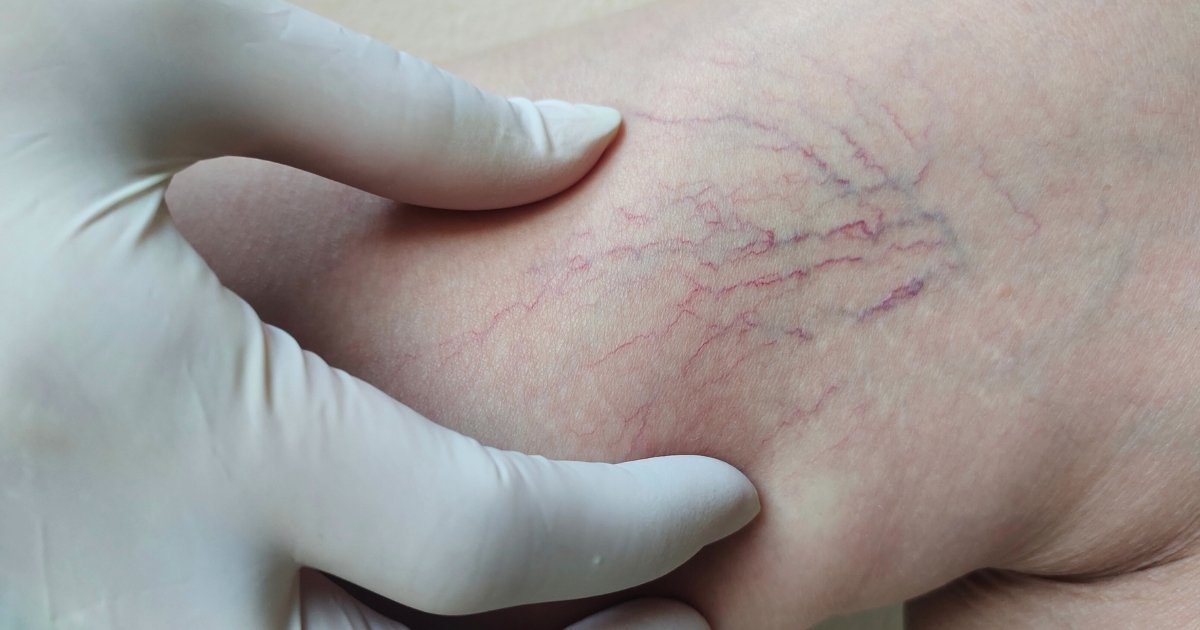
Spider Nevus
Ahead of the liver, the skin has red veins that are spider-like. They usually appear:
- On cheeks
- On nose
- On the chest
- On arms
The occurrence of these is a result of the liver having difficulty breaking down estrogen. Great estrogen concentration causes small blood vessels to enlarge and create spider veins.
Liver cirrhosis skin changes are highly characterized by spider veins.
Dry, Dull, or Rough Skin
Liver problems minimize the capacity of the body to take in vital nutrients such as Vitamin A, Vitamin D, and healthy fats. When it occurs, your skin shows:
- Dry
- Rough
- Flaky
- Lifeless
The issue is occurring internally, and even the use of good skincare products may be of no use.
Acne, Bumps, and Oily Skin
You may believe that only the imbalance of hormones or oily skin causes acne, but a clogged liver may also make you break out.
- More pimples
- Oily skin
- Tiny bumps
- Blackheads
The skin attempts to eliminate the extra waste when the liver is unable to do so and resulting in acne.
Red Palms (Palmar Erythema)
A typical indication of liver damage is redness of the palms. It is associated with the alterations of hormones and elevated blood flow due to a weak liver.
You may notice:
- Bright red palms
- Warmth in the hands
- Red fingertips
On the occasion that the redness stays for several weeks, then you might want to consider the well-being of your liver.
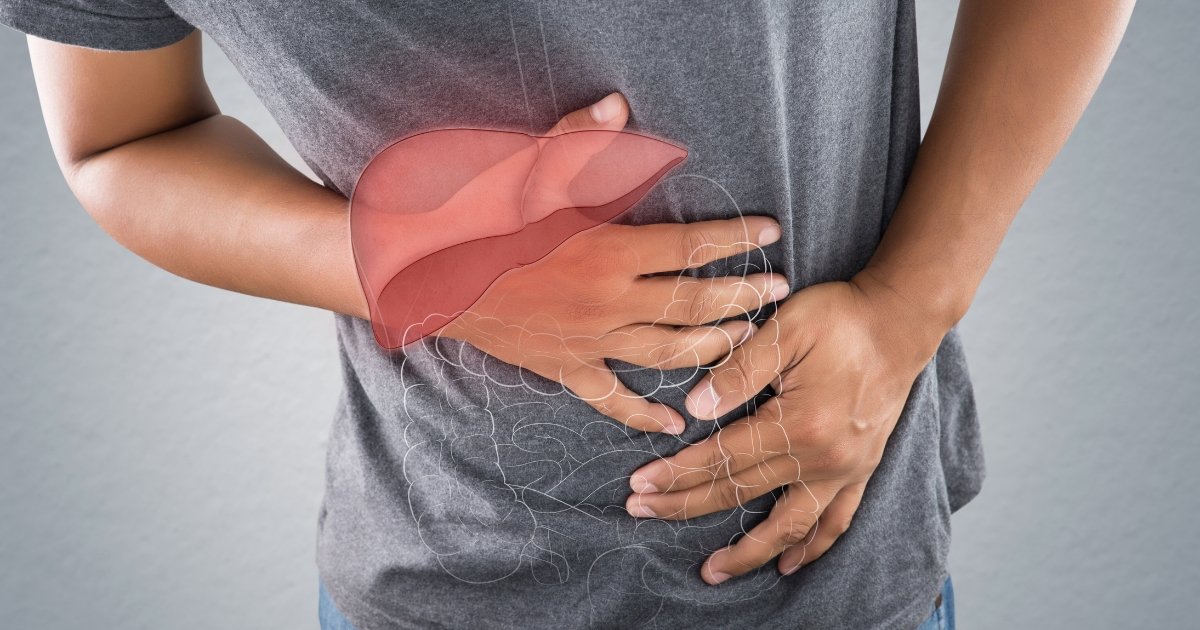
How to Care for Your Liver to Have Healthy Skin
Although it is always best to have your liver diagnosed by a doctor, you can help your liver by simply changing your lifestyle habits:
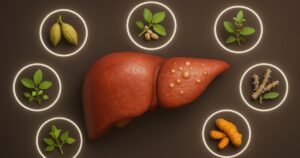
- Eat Liver-Friendly Foods
- Green leafy vegetables
- Turmeric
- Beetroot
- Garlic
- Lemon water
- Amla
Avoid These
- Fried foods
- Excess sugar
- Alcohol
- Processed foods
- Stay Hydrated
- Helps remove toxins in the body and cleans up the skin.
- Exercise Regularly
- Exercise enhances better blood flow and decreases fats in the liver.
Final Thoughts
Clues that are provided by your skin when your liver is stressed include itch, rash, pigmentation, and yellowing. Learning about these Skin Problems Related to Liver Disease can enable you to identify health problems in their early stages and prevent risks of endangering your health in the long run.
FAQs
Is it possible that liver disease began with its skin problems?
Yes. Skin symptoms such as pigmentation, itching, or dryness are easily noticed by many before other liver symptoms manifest themselves.
Would liver detox enhance the quality of the skin?
A healthy liver eliminates toxins effectively, and therefore, your skin is clear and bright.
Which foods aggravate skin problems related to the liver?
Alcohol, junk food, fried food, sugar, and too many milk products.
Can Ayurveda help with liver-related skin problems?
Indeed, Ayurvedic herbs such as Kutki, Bhringraj, Triphala, and Neem are very good liver tonics.
What will be the difference between normal skin problems and those of the liver?
In case of the suddenness of skin changes, their rapidness, or failure to improve with skincare, it can be liver-related.